

Leveraging Big Data in Real Estate Marketing
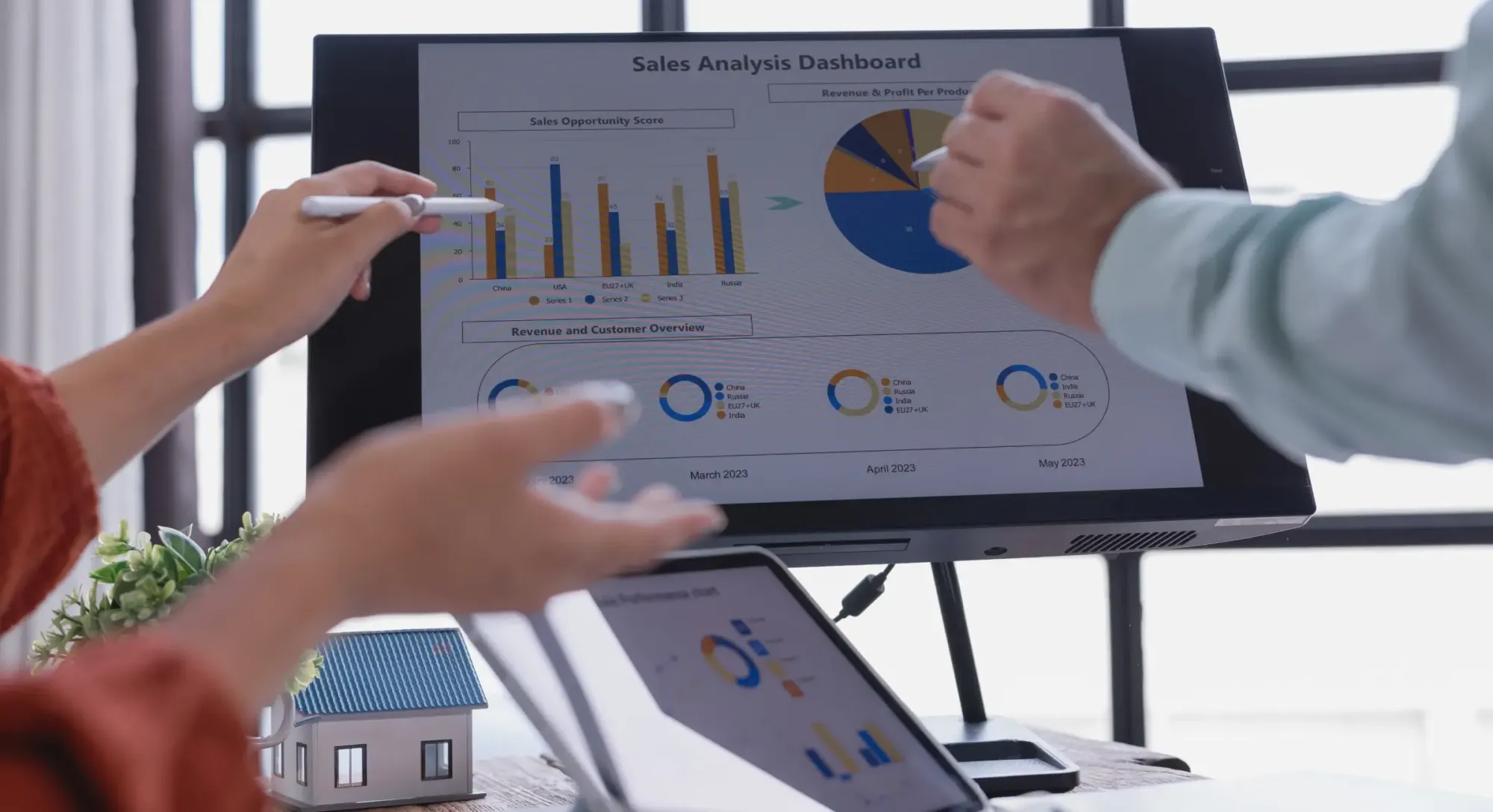
For years, real estate marketing ran on instinct. A seasoned Realtor could read a neighborhood and gauge buyer interest based solely on experience. That approach still matters, but today’s market moves faster, and buyers research deeper. Gut feeling alone can’t keep up with the volume of information shaping modern decisions.
That’s where big data in real estate changes the game. With big data, real estate marketing shifts from reactive to strategic. Instead of guessing which neighborhoods are heating up or which buyers are serious, Realtors can analyze behavior, pricing patterns, demographic trends, and engagement metrics to guide smarter moves. In real estate, big data turns scattered information into actionable insights.
This guide breaks down how to use big data in real estate marketing, from refining outreach to identifying investment opportunities.
What 'Big Data' Really Means in Real Estate
When people hear “big data,” they often dismiss it as tech jargon. In reality, it’s much more practical. Using big data, real estate professionals can analyze several key inputs at once and spot trends that aren’t obvious on the surface.
Here’s what that typically includes:
- Market trends: Days on market, absorption rates, inventory shifts, seasonal patterns.
- Buyer behavior: Search history, saved listings, showing frequency, financing preferences.
- Pricing patterns: How similar homes perform at different price points, reductions over time, and final sale-to-list ratios.
- Demographic shifts: Migration patterns, income growth, school enrollment changes, and rental demand.
- Online engagement metrics: Click-through rates, listing views, time-on-page, ad performance.
The value of using big data in real estate isn’t just in collecting numbers. It’s in interpreting them quickly enough to make better decisions before the market shifts again.
Why Realtors Can’t Ignore It
Markets move faster than ever. Inventory changes weekly. Interest rates shift buyer urgency overnight. Without data, you react after the fact instead of anticipating what’s next.
Buyers also show up better informed. They study comps and market forecasts before scheduling a showing. Increased competition compounds the pressure; other Realtors already use analytics to price aggressively and target precisely. On top of that, data transparency has changed expectations. Sellers expect a clear rationale behind pricing and marketing decisions.
In this environment, big data isn’t a luxury. It’s the difference between guessing and knowing.

Turn Online Behavior into Action
Every click leaves a trail. Website traffic and listing engagement tell a story about what buyers want and what pushes them to act. In real estate, big data turns digital breadcrumbs into insight you can use immediately.
Track Buyer Signals
Buyers reveal their intent long before they schedule a showing. You just have to know where to look.
- Search behavior: What neighborhoods are they exploring? What price ranges? Are they filtering for pools, home offices, or multi-family properties?
- Saved listings: When someone saves a home, they’ve moved from casual browsing to serious consideration. Track patterns in what gets saved most often.
- Time-on-page metrics: If buyers spend three minutes on one listing and ten seconds on another, that gap says something. Longer engagement often points to stronger emotional or financial interest.
For big data to matter in real estate, it has to connect to action. When you notice certain features consistently draw attention, highlight them earlier in your listing copy, signage, and marketing.
Optimize Campaign Performance
Digital marketing gives Realtors something traditional advertising never could: instant feedback. Digital marketing allows you to:
- Check ad performance data: Monitor click-through rates, impressions, and conversion metrics. If one neighborhood campaign outperforms another, there’s a reason.
- A/B test headlines and images: Run two versions of a listing headline or photo set and compare results. Small changes in wording or imagery can dramatically shift engagement.
- Refine messaging based on results: If buyers respond more to “walkable downtown location” than “updated kitchen,” adjust your positioning.
With big data in real estate marketing, you can test, measure, adjust—and improve.
Big Data in Real Estate Investment Strategies
Smart investment decisions rely on more than intuition. In real estate, big data reduces uncertainty by grounding acquisition choices in measurable trends rather than assumptions. When you understand where growth is happening and why, you can make smart moves instead of reacting to headlines.
Identify Emerging Neighborhoods
The strongest opportunities rarely announce themselves loudly. You find them by reading the signals early.
- Population growth: Increases in residents often precede rising demand for housing. Track census updates, school enrollment shifts, and relocation patterns.
- Infrastructure changes: New transit lines, highway expansions, commercial developments, and school improvements often signal future appreciation.
- Rental demand data: Rising rental rates and low vacancy in specific pockets can indicate strong long-term investment potential.
Using big data, real estate professionals can spot these indicators before pricing fully adjusts.
Risk Reduction Through Analytics
Every investment carries risk, but analytics help you quantify it.
- Vacancy rates: Persistent vacancies may point to oversupply or declining desirability.
- Price trend forecasting: Historical pricing curves reveal patterns in seasonal dips, growth cycles, and correction periods.
- Historical appreciation patterns: Long-term performance data shows how specific neighborhoods behave over time, not just during hot markets.
For big data to provide value, it must answer one core question: Is this opportunity supported by evidence, or just optimism? Data won’t eliminate risk, but it makes it visible and manageable.
Tools Realtors Should Consider
Access to data matters, but the right tools determine how useful that data becomes. Not all platforms are equal, and not every dashboard translates into practical insight. The key is choosing systems that turn information into clear next steps.
CRM Systems with Data Integration
A modern CRM should do more than store contact details. It should help you prioritize effort.
- Lead scoring: Rank prospects based on engagement level, search behavior, and interaction history. Focus on the contacts most likely to convert instead of chasing cold leads.
- Predictive follow-up timing: Data can suggest when a prospect is most active or likely to respond. Instead of random outreach, you reach out when attention peaks.
If big data analytics for real estate is going to make sense, it has to influence daily workflow, not sit in a report no one reads.
Market Intelligence Platforms
Market-level tools provide the broader context behind individual listings.
- MLS analytics: Track absorption rates, pricing shifts, and listing velocity in specific neighborhoods.
- PropTech dashboards: Monitor migration trends, rental demand, and development activity.
- Predictive pricing software: Use historical and current data to support pricing strategies with evidence rather than opinion.
With big data platforms, Realtors gain a clearer understanding of what’s happening now and what may happen next.
Use Data Offline, Too
Data shouldn’t stop at your laptop. Strong Realtors connect digital insight with physical presence.
- QR tracking on signage: Monitor scans to see which properties or locations generate the most interest.
- Geo-targeting open house ads: Use location-based data to push digital ads to nearby residents or frequent visitors.
- Connecting data insights to physical marketing: If analytics show strong engagement in a specific neighborhood, increase visibility there with targeted mailers and prominent signage.
Your online metrics can guide where you place your real estate signs, how often you saturate an area, and which listings deserve added exposure.
That’s why we provide high-quality, brand-approved signage for the nation’s top real estate agencies. Ensure your physical marketing reflects the same quality as your data-driven strategy with signs for leading brands, including: Keller Williams, Berkshire Hathaway, Century 21, eXp Realty and more!
Neighborhood Intelligence with Local Logic
Understanding a neighborhood's character is crucial, and Local Logic provides the data to do it instantly. Oakley Signs' partnership with Local Logic gives you access to detailed Neighborhood Lifestyle and Market Reports. These reports, accessible via QR codes on your signs, offer clients instant insights into:
- Lifestyle & Neighborhood Context: Walkability, transit options, nearby amenities, schools, and local demographics.
- Neighborhood Market Trends: Real-time and historical data on pricing, days on market, inventory levels, and year-over-year trends.
By integrating Local Logic's data-rich reports, you can position yourself as a local expert, meet modern buyer expectations, and increase buyer confidence with transparent, actionable data.

A Practical First Step for Realtors
Big data can feel overwhelming at first glance. The key is to keep it manageable and start simple. You don’t need a full analytics department. You need clarity on what matters and a system for acting on it.
Audit What You Already Track
Before investing in new platforms, look at the data you already collect. Most Realtors sit on more insight than they realize.
- Email metrics: Open rates and click-through rates show which subject lines, neighborhoods, or price points spark interest.
- Website traffic: Page views, listing visits, and referral sources reveal where prospects find you and what they care about.
- Showing feedback: Comments from buyers often highlight patterns, such as pricing hesitation, layout concerns, or standout features.
In real estate, big data often starts with paying closer attention to numbers already in front of you.
Choose One Tool and Master It
Shiny dashboards can distract from results. Instead of juggling five platforms, pick one tool that addresses your biggest need.
Avoid getting overwhelmed by focusing on a single priority: lead qualification, pricing support, or neighborhood targeting. Focus on impact by tracking one measurable outcome, such as improved response time or reduced days on market.
When it comes to big data in real estate marketing, consistency beats complexity every time.
Data Doesn’t Replace Experience — It Sharpens It
A seasoned Realtor can read a room and sense hesitation before a buyer says a word. Big data in real estate marketing strengthens Realtors' instincts with evidence. It helps with pricing decisions, refines targeting, and clarifies timing in ways intuition alone cannot.
Realtors who use data intentionally gain a measurable edge. They price homes with stronger justification. They target outreach with greater precision. They spot opportunities earlier and adjust faster when markets shift. That edge compounds over time.
The goal isn’t to become a data scientist. It’s to make analytics part of everyday marketing. Review your numbers. Test your assumptions. Let big data inform where you focus attention and budget. When insight and experience work together, your strategy becomes sharper, and your results reflect it.
Partner With a Supplier That Understands Your Needs
If you’re using big data in your real estate marketing, you need a partner that helps you take full advantage of the insights that analytics provides. Oakley Signs has the real estate marketing products you need to put those insights to work. Browse our collection of real estate signs and more today.
Shop NowFrequently Asked Questions
What types of data are most valuable for real estate marketing?
The most useful data connects directly to buyer behavior and market movement. Engagement metrics like listing views, time-on-page, email open rates, and saved properties reveal what buyers respond to in real time. Local market data, such as inventory levels, days on market, price reductions, and absorption rates, can help with pricing and positioning decisions.
What role does machine learning play in real estate data analytics?
Machine learning analyzes patterns at a scale humans simply can’t process manually. It identifies pricing trends, forecasts market shifts, scores leads based on likelihood to convert, and detects behavior patterns across hundreds or thousands of interactions. Machine learning powers predictive tools that suggest when to follow up, how to price competitively, or which neighborhoods show early growth indicators.
How do data privacy regulations impact the use of big data in real estate?
Data privacy laws shape how Realtors collect, store, and use consumer information. Regulations such as GDPR and CCPA require transparency about data collection, consent for marketing communications, and responsible handling of personal details. When using real estate big data, Realtors must ensure that their CRM systems and marketing platforms follow compliance standards. Clear opt-ins, secure data storage, and honest communication protect clients and your reputation.