
Real Estate Geographic Farming: The Complete Guide for Realtors
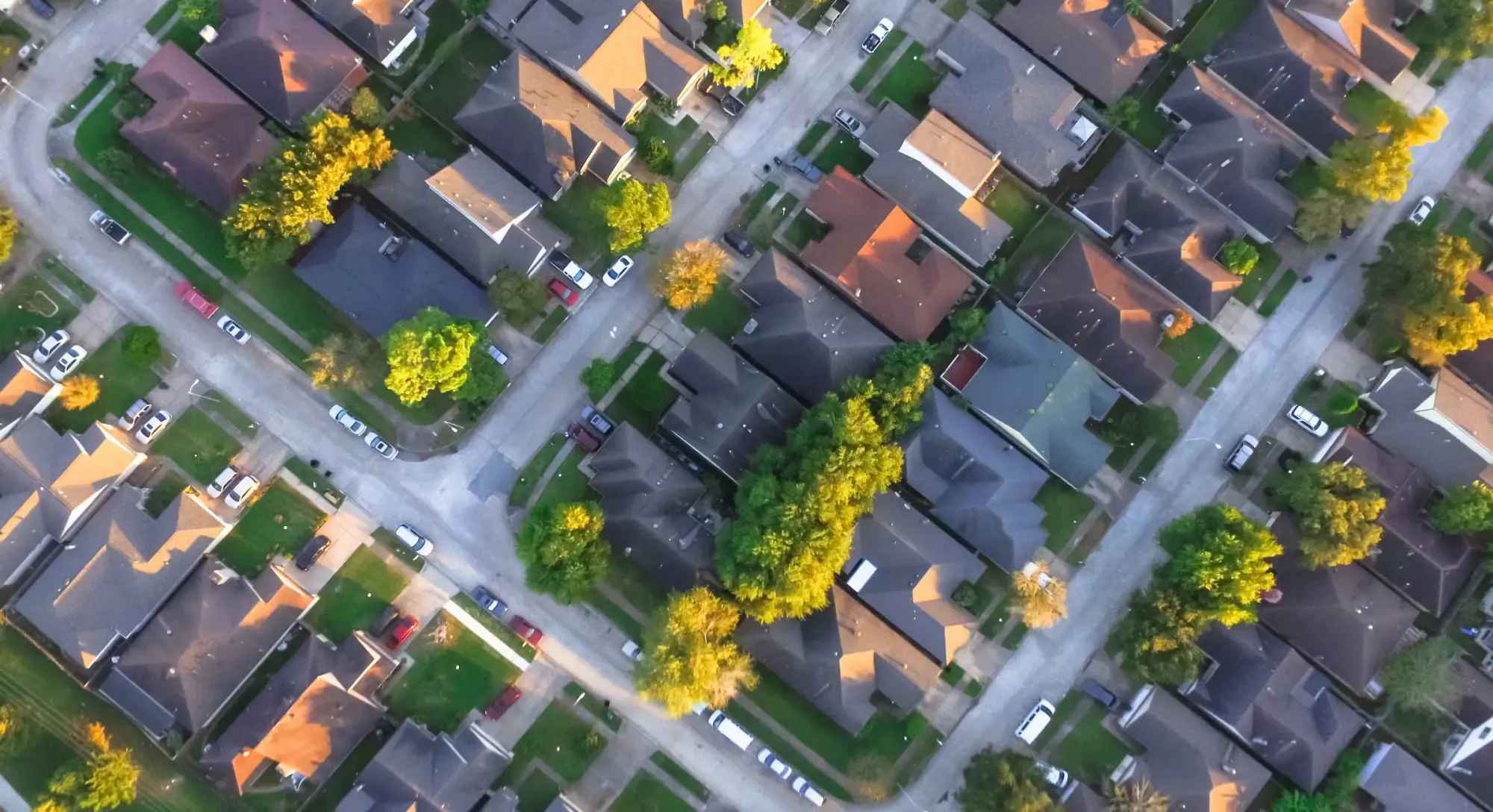
If you've been looking for a smarter way to grow your real estate business, geo farming in real estate might be the strategy you've been missing. Rather than casting a wide net and hoping for leads, real estate geographic farming focuses your energy on a defined neighborhood or zip code, building name recognition and market dominance over time.
This guide walks through what real estate farming is, how to pick the right area, and what real estate farming ideas help you stand out in a crowded market.
What Is Geo Farming in Real Estate?
Real estate farming is the practice of concentrating your marketing efforts on a specific geographic area, typically a neighborhood, subdivision, or zip code. The goal is to become so visible and well-known in that area that residents think of you first when they're ready to buy or sell.
The term "farming" is intentional. Just like a farmer cultivates land over seasons to see results, real estate agents invest time and consistency into a target area before the listings come in. It's a long game, but the payoff in repeat business and dominant market share is worth it.
How To Choose Your Real Estate Farming Area
Not every neighborhood is a good fit for real estate farming. Before you commit to a geographic farm, look for these characteristics:
- Turnover rate: Aim for neighborhoods with at least 5 to 7% annual turnover. Lower turnover means fewer opportunities.
- Size: Most agents start with 200 to 500 homes. Large enough to generate meaningful business, small enough to cover effectively.
- Competition: Avoid areas where another agent already holds 25%+ of recent transactions. Look for fragmented competition.
- Your existing connections: Farming neighborhoods in real estate areas where you already have clients or contacts gives you a head start.
- Price point: Choose an area where your potential commission justifies your marketing investment.
Check your MLS data and county records to evaluate turnover rates and active agent competition before picking your farm.
Real Estate Farming Techniques That Build Recognition
Once you've identified your target area, the real work begins. Consistent, multi-channel outreach is what separates agents who own their farm from those who fade into the background.
Direct Mail
Postcards, market updates, and just-listed/just-sold mailers remain some of the most effective real estate farming techniques. Homeowners notice mail that's relevant to their neighborhood, especially when it comes consistently.
Door Knocking
Old-fashioned but effective, door knocking lets you put a face to the name. Pair it with a leave-behind like a neighborhood market report and a business card, and you'll make a lasting impression.
Community Involvement
Sponsoring local events, school fundraisers, or neighborhood cleanups builds goodwill that advertising alone can't replicate. People hire agents they trust, and trust grows through genuine community presence.
Social Media Hyperlocal Content
Posting neighborhood-specific content, such as local market stats, new business openings, and community events, positions you as the neighborhood expert on platforms your prospects already use.
Marketing for Your Geographic Farming Area
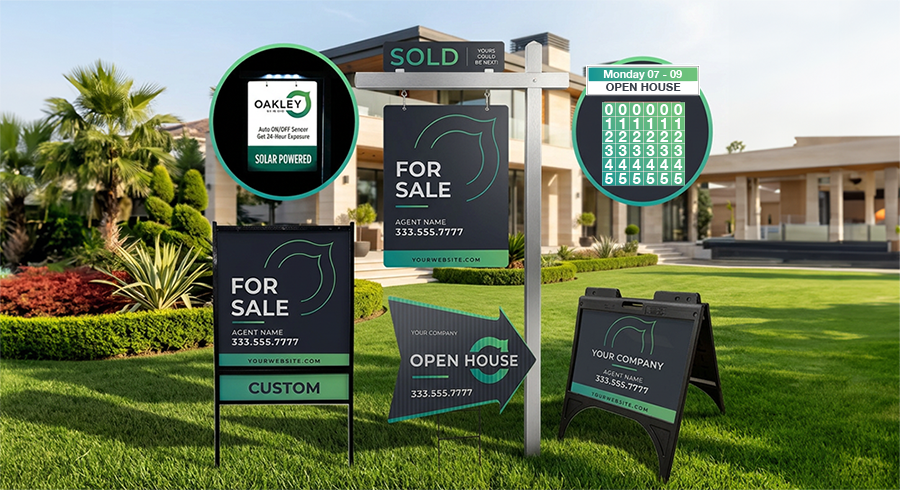
Your digital efforts matter, but physical visibility in your farm area is equally important and often underestimated. Every yard sign you plant in a neighborhood is a marketing impression for every neighbor who walks or drives by. In a concentrated farming area, a steady presence of your signs does something powerful: It signals that you're the agent who gets results here.
That's why the quality and consistency of your real estate signage matter. Oakley Signs offers numerous professional real estate signs designed to help agents build visibility exactly where it counts.
Just-Listed and Just-Sold Signs
Few geo farming real estate tactics generate more attention than a steady stream of just-listed and just-sold signs in your target neighborhood. These signs do double duty: They market the property and market you. When neighbors see your name repeatedly connected to successful transactions, it builds the kind of credibility that no postcard campaign can fully replicate.
Directional Signs
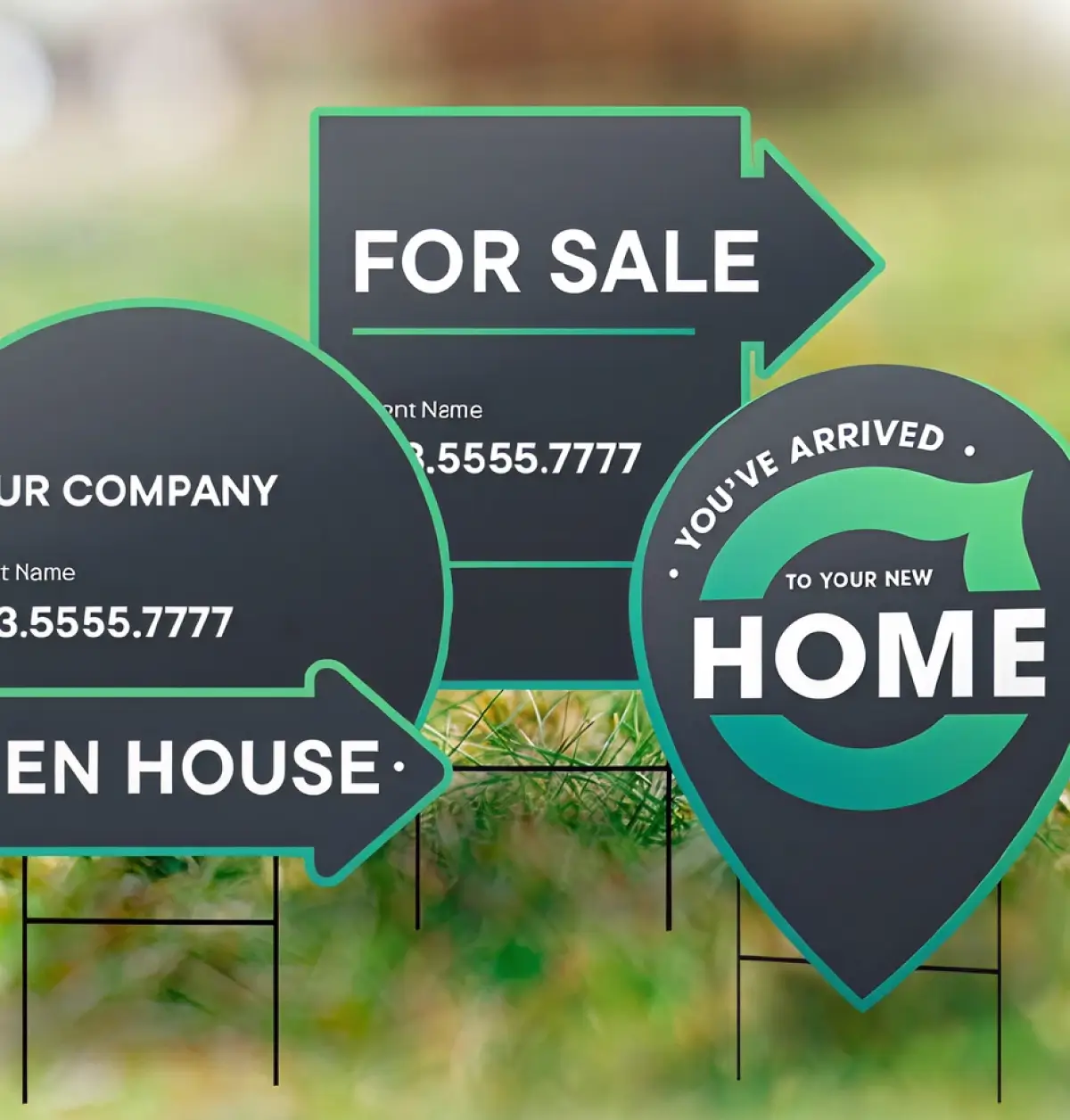
Directional real estate signs are especially useful during open houses and in neighborhoods with winding streets or limited visibility. Placing well-branded directional signs throughout your farm area keeps your name in front of residents and helps drive traffic to your listings.
Closing Signs
A Realtor closing sign is a simple but effective finishing touch that you can use on social media to show who got the deal done. In real estate geographic farming, closing signs reinforce your track record in a very visible way.
Real Estate Farming Tools That Make This Easier
Consistency is the backbone of any successful geo farming real estate strategy. A few tools that help:
- CRM software: Track contacts, schedule follow-ups, and automate outreach to keep your farm warm.
- Direct mail platforms: These services automate postcard campaigns with neighborhood-specific data.
- MLS data and market reports: Pull and share regular stats on your farm area to position yourself as the local authority.
- Professional signage: High-quality, branded signs from a reliable supplier like Oakley Signs keep your visual presence polished and professional across every listing.
No single tool wins you a farm. It's the combination of consistent outreach, community presence, and smart physical marketing that compounds over time.
How Long Does Real Estate Farming Take?
Most agents see meaningful traction in their farm after 12 to 18 months of consistent effort. Some see results sooner if they pick an underserved area or already have connections there. The key concept is consistency. Sporadic campaigns don't build the recognition that geographic farming requires.
Set a budget, commit to a plan, and stick with it even when the early returns are slow. The agents who give up after three months are the ones who make room for you to own the neighborhood.
Grow Your Farm with the Right Signage Partner
Oakley Signs has been supplying real estate agents with professional-grade signs for decades. Whatever you need to build physical visibility in your farming area, we have the signs that will make you the dominant agent in any neighborhood. Browse our full selection and put your brand to work in every yard.
Shop NowFrequently Asked Questions
Is real estate geographic farming worth it for new agents?
Yes, geographic farming can be a strong strategy for newer agents, but only if their expectations are realistic. New agents often struggle with brand recognition, and farming a defined area accelerates that process by concentrating impressions. The challenge is the time horizon; it typically takes over a year to see meaningful returns. Agents who commit early and stay consistent often build a foundation that sustains their business for years.
How do I track whether my real estate farming is working?
Track your listing-to-sales ratio within your farm, inbound calls or inquiries that mention your farming materials, and your overall market share percentage in the target area. Your MLS data can show you how your transaction count in that neighborhood compares to other agents over time. Many agents also use simple CRM tags to flag whether a lead came from their farm or another source.
Can I farm multiple neighborhoods at once?
Technically, yes, but most agents see better results by dominating one area before expanding to a second. Splitting your budget and attention across multiple farms early on usually means neither area gets the frequency of contact needed to build real recognition. A good rule of thumb: once you hold 10 to 15% market share in your primary farm, you have the traction and systems to support a second territory without diluting your presence in the first.
Does geo farming in real estate work in a seller's market when inventory is low?
Low inventory makes farming harder in the short term but more valuable in the long term. When few homes are listed, sellers have enormous leverage, and they tend to choose agents they already know and trust. Agents who have been consistently farming a neighborhood through slow markets are exactly the ones homeowners call when they're finally ready to list. Staying visible during quiet periods is what separates agents who get the call from agents who get overlooked.