

Real Estate Influencer Marketing: Unlocking New Opportunities in Property Promotion

Traditional advertising still has a place in real estate, but it has obvious limits. Yard signs get eyeballs from foot traffic. Direct mail gets tossed. Print ads get skimmed. Meanwhile, a single Instagram Reel from the right real estate influencer can put a listing in front of tens of thousands of engaged, location-specific viewers in 24 hours. That gap between old-school and social media reach keeps widening, and smart Realtors are paying attention.
Real estate influencer marketing has moved past the "trendy experiment" phase. It has become a legitimate channel for generating leads, building brand awareness, and creating the kind of authentic buzz that paid ads struggle to replicate. If you have been curious about tapping into this channel but were not sure where to start, this guide breaks it down.
Why Realtors Should Care About Influencer Marketing
Buyers and sellers spend significant time on Instagram, TikTok, and YouTube before they ever contact an agent. According to the National Association of Realtors, 97% of homebuyers use the internet in their search, and social media platforms sit near the top of that list. The top real estate Instagram accounts attract hundreds of thousands of followers, and that audience skews exactly toward the demographics most Realtors want to reach: millennials and Gen Z entering the buying market for the first time.
Certain real estate influencers have turned personal branding on social media into empires. Some have over 2 million Instagram followers and have built an entire brokerage around their media presence. They understand that visibility drives credibility, and credibility drives business.
The Trust Factor
Here is the part that makes influencer marketing for real estate particularly effective: people trust recommendations from individuals they follow far more than they trust branded advertising. When a local lifestyle creator walks through a listing on camera, narrates the neighborhood vibe, and tags your brokerage, that endorsement carries social proof that a billboard never could.
This applies at every level. You do not need a mega-influencer with millions of followers. A micro-influencer with 10,000 engaged local followers can generate serious traction in a specific market. Their audience is smaller but significantly more targeted, which often produces better conversion rates per dollar spent.
How To Identify the Right Real Estate Influencers
Before reaching out to anyone, get clear about who you are trying to reach. First-time buyers? Luxury clients? Investors? Each group gravitates toward different types of content creators.
For luxury properties, look for influencers who produce aspirational lifestyle content with high production values. For first-time homebuyer outreach, consider partnering with personal finance creators or local community bloggers who speak directly to younger audiences navigating the buying process.
Where to Find Them
Start by searching hashtags like #realestate, #justlisted, and #openhouse on Instagram and TikTok. Look at who creates consistent content in your geographic area. Pay attention to engagement rates rather than raw follower counts. An account with 15,000 followers and an active comment section will outperform an account with 100,000 followers and crickets.
You can also browse curated lists of top real estate influencers on platforms like Feedspot or Viral Nation, which rank creators by engagement metrics across categories. Review their content for quality, consistency, and audience fit before making contact.
Vet Before You Commit
Check for fake followers. Look at the ratio of likes and comments to total followers. Read through the comments to see if the engagement looks organic. Ask for a media kit or case study from past brand partnerships. Professional influencers will have these ready.
Craft Campaigns That Get Results
Not all influencer collaborations look the same. Here are a few formats that work well in real estate:
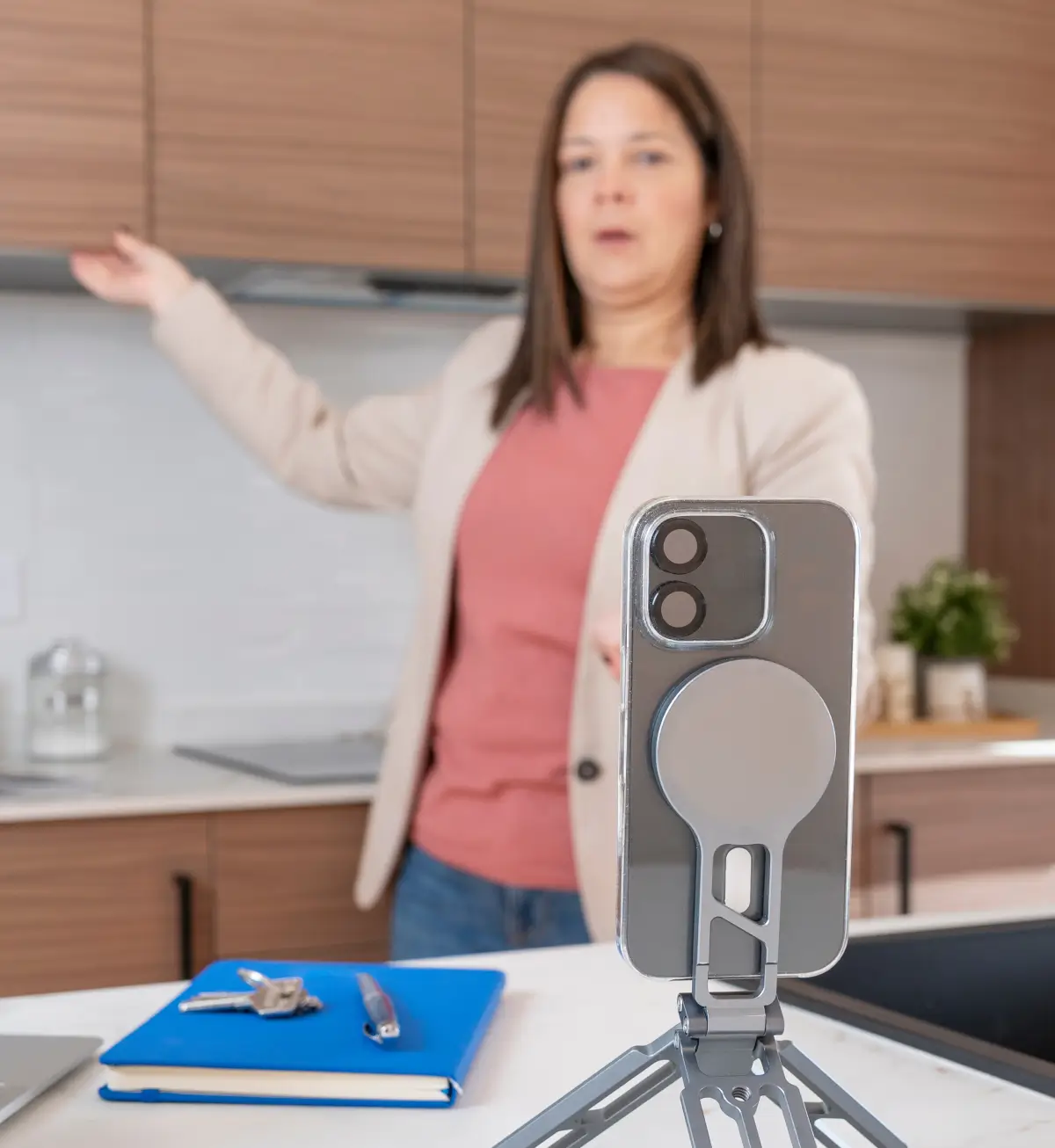
- Property Walkthroughs: An influencer films a tour of your listing, sharing genuine reactions and highlighting features that appeal to their audience. These perform exceptionally well on Instagram Reels and TikTok.
- Neighborhood Spotlights: The influencer showcases the community around a listing, covering restaurants, parks, schools, and local businesses. This type of content gives potential buyers a feel for the area that a listing description simply cannot capture.
- "Day in the Life" Collaborations: Following a Realtor through a typical day can humanize your brand and make you relatable to potential clients. This behind-the-scenes approach resonates with audiences tired of polished, salesy content.
- QR Code Integrations: If you use QR code signs on your listings, you can create a seamless offline-to-online experience. An influencer mentions the QR code in their content, drives their followers to scan it at the property, and connects your physical marketing to your digital campaign in one motion.

Pair Digital and Physical Marketing
Influencer campaigns gain extra power when you connect them to your on-the-ground presence. A well-designed real estate sign panel with your branding creates recognition for anyone who sees the influencer's content and then drives past the property. That repetition between digital content and physical signage builds familiarity fast.
We see this play out with our customers regularly at Oakley Signs. Realtors who invest in professional, eye-catching real estate marketing materials and pair them with a social media strategy tend to close the credibility gap faster than those relying on just one channel.
Set Clear Expectations
Before launching any collaboration, put the details in writing. Specify the number of posts, the platforms, the messaging guidelines, and the timeline. Include approval processes for content drafts. Define how you will measure success, such as link clicks, direct inquiries, or follower growth on your own accounts.
This protects both sides and keeps the campaign focused.
Measure What Works
Vanity metrics like follower counts and impressions tell part of the story, but they do not tell the whole story. Focus on metrics that connect to actual business outcomes:
- Lead Generation: How many inquiries came directly from the influencer's content? Use unique URLs, promo codes, or dedicated landing pages to track this.
- Engagement Rate: Look at the ratio of comments, saves, and shares relative to total impressions. Saves and shares indicate higher-intent interest than likes alone.
- Website Traffic: Use UTM parameters to track how much traffic the influencer's content drives to your listings.
- Cost Per Lead: Divide the total campaign spend by the number of qualified leads generated. Compare this to your cost per lead from other marketing channels to evaluate efficiency.
Iterate and Improve
Your first influencer campaign probably will not be your best, and that is fine. Use the data from each campaign to refine your targeting, your messaging, and your choice of collaborators. Over time, you will build a roster of go-to influencers who understand your brand and consistently produce results.
Avoid Common Pitfalls
Even solid influencer strategies can fall flat if you stumble into a few predictable traps. Keep these in mind before you sign anything or hand over a budget.
Don't Chase Follower Counts Alone
A creator with 500,000 followers based in Miami will do very little for a Realtor selling homes in suburban Ohio. Relevance and geographic alignment beat raw audience size every time.
Don't Micromanage the Content
You hired this person for their voice and their audience. If you over-script the content, it will come across as inauthentic, and their followers will notice immediately. Give creative briefs, not scripts.
Stay Compliant
The FTC requires clear disclosure of paid partnerships. Make sure any influencer you work with tags sponsored content appropriately using #ad or the platform's built-in paid partnership label. Cutting corners on disclosure can create legal headaches and erode trust.
The Opportunity in Front of You
Real estate influencer marketing works because it meets buyers where they already spend their time, wrapped in content they want to consume. For Realtors willing to invest in the right partnerships, it opens up audiences that traditional marketing simply cannot access with the same efficiency.
The entry point does not have to be expensive, either. Start small with a local micro-influencer, test a single property walkthrough campaign, and measure the results. Build from there.
Put It All Together With Oakley Signs
At Oakley Signs, we help Realtors put their best foot forward across every marketing touchpoint, from the listing sign in the yard to the branded materials that tie your entire presence together. When your digital and physical marketing work in sync, the results speak for themselves.
Shop NowFrequently Asked Questions
What are the potential costs involved in real estate influencer marketing?
Costs vary dramatically depending on the influencer's audience size, content format, and geographic market. Nano-influencers (under 10,000 followers) may accept product exchanges or charge $100 to $500 per post, while macro-influencers with six-figure followings often charge $2,000 to $10,000 per deliverable. For video-heavy campaigns like property walkthroughs on Instagram Reels or TikTok, expect to pay a premium because the production effort is higher. Some Realtors negotiate performance-based deals where the influencer receives a flat fee plus a bonus for each lead generated, which helps control costs while incentivizing results.
How can I ensure brand consistency across influencer and traditional marketing efforts?
Create a brand guidelines document that covers your logo usage, color palette, preferred messaging tone, and any terminology standards (for example, always capitalizing Realtor). Share this with every influencer before content creation begins. Request a draft or preview before anything goes live. At the same time, keep your physical marketing, including yard signs, directional signs, and printed materials, aligned with the same brand elements. When a buyer sees your signage in person and your influencer's content online, the visual continuity builds immediate recognition.
How long should a real estate influencer campaign typically last?
Most successful campaigns run between four and 12 weeks, depending on the goal. A single listing promotion may only need a concentrated two-to-four-week push, while a brand awareness campaign benefits from sustained exposure over two to three months. Longer partnerships also allow the influencer's audience to develop familiarity with your name, which increases the likelihood that followers will take action when they need a Realtor. Many agents find that ongoing ambassador-style relationships with one or two local influencers produce better long-term ROI than a series of one-off campaigns.